Overcome the Opioid Crisis
The Opioid Abatement Program in St. Lucie County is guided by data-driven strategies designed to address the ongoing impact of opioid use and overdose in our community.
Between 2015 and 2024, opioid overdose deaths in St. Lucie County fluctuated significantly, with the lowest number recorded in 2015 at 38 deaths and the highest in both 2016 and 2023 with 74 deaths.
These trends reflect the persistent and evolving nature of the opioid crisis and emphasize the importance of coordinated prevention, treatment, and recovery efforts.

In response, St. Lucie County established the Opioid Abatement Advisory Committee to review local data, identify priority needs, and allocate funding to initiatives that support prevention, treatment, recovery, and education. The committee ensures that countywide strategies are evidence-based, community-informed, and focused on measurable impact.
The Florida Department of Health in St. Lucie County (DOH-St. Lucie) leads the Opioid Prevention Program, committed to saving lives, strengthening public safety, and expanding access to care for residents affected by opioid use. Supported through the Centers for Disease Control and Prevention Overdose Data to Action (OD2A-S) grant and St. Lucie County’s Opioid Settlement Funds, the program implements a broad spectrum of community-based activities. Key focus areas include:
- Coordinating community projects and cross-sector partnerships
- Delivering prevention, harm reduction, and community education initiatives
- Improving linkage to care and removing barriers to services
- Enhancing data sharing and collaboration across local agencies
- Guiding community planning through timely, actionable data
Resources
Opioid Epidemic Data
Florida Data
Resources for Health and Recovery Support
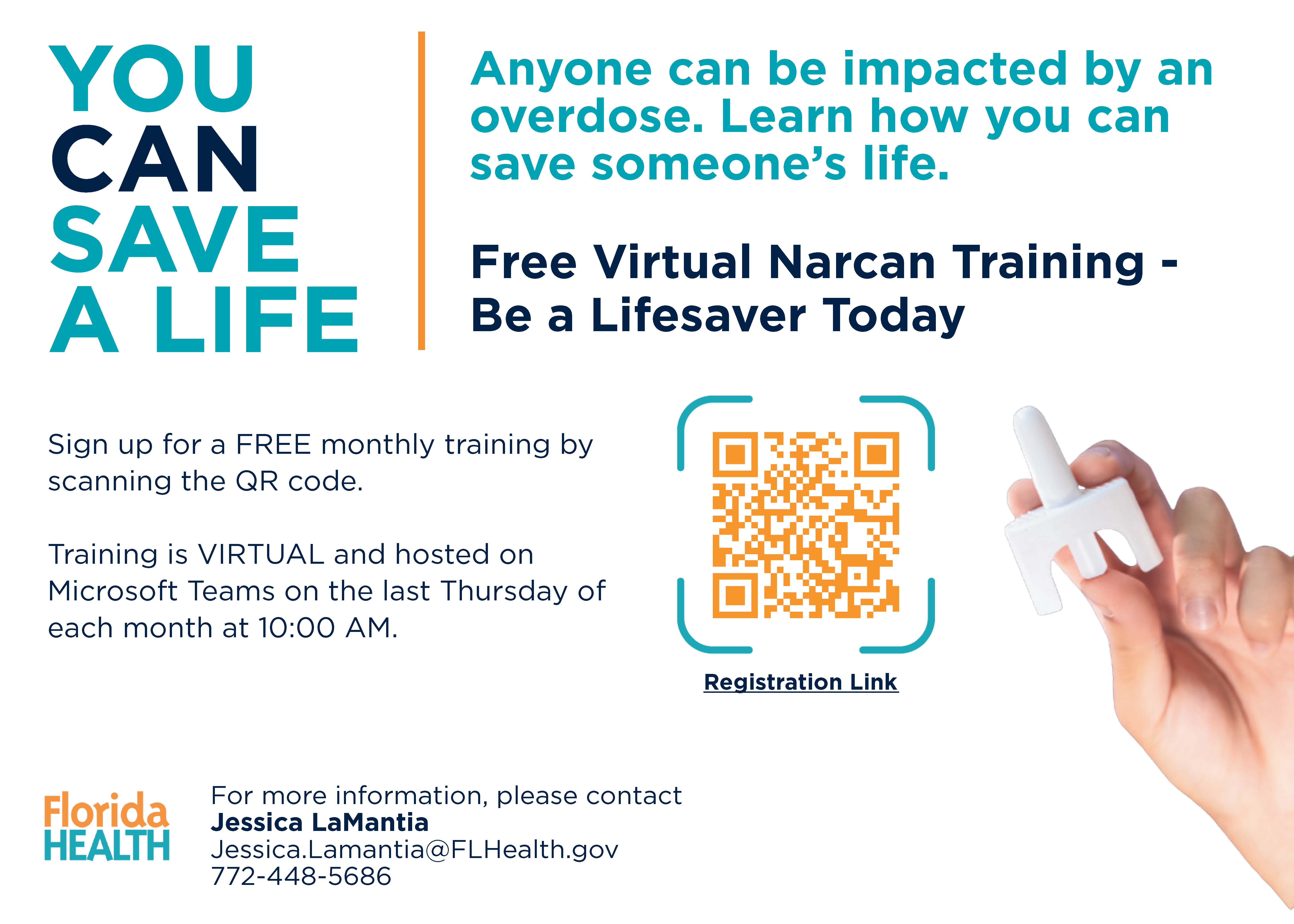
- Save a Life Flyer | Spanish
- Online Prevention Training Flyer
- Naloxone Locator: iSaveFL
Where to Get Naloxone
Florida Department of Health St. Lucie County – Fort Pierce
3855 S. U.S. Highway 1
Fort Pierce, FL 34982
Florida Department of Health St. Lucie County – Port St. Lucie
5150 N.W. Milner Drive
Port St. Lucie, FL 34983
Treatment and Support for Recovery
- Provider Locater – Southeast Florida Behavioral Health Network
- Treatment for Substance Abuse
- Treatment of Substance Use Disorders
Harm Reduction and Drug Take Back
Behavioral Health Services
Resource Guide – St. Lucie Cares
Local and National Crisis Response Hotlines
Sexual Assault Assistance Program: 866-828-7273
Certified Local Rape Crisis Center Serving Martin, St. Lucie, Indian River, and Okeechobee Counties.
SafeSpace: 772-223-2399
Certified Domestic Violence Program & Shelter Serving Martin, St. Lucie, and Indian River Counties.
Martha’s House: 863-763-2893
Certified Domestic Violence Programs and Shelters Serving Okeechobee County.
NATIONAL HOTLINES
- Poison Control Line: 800-222-1222
- Never Use Alone: 877-696-1996
- Overdose Prevention Lifeline: 800-484-3731
- SAMHSA National Helpline: 800-662-HELP (4357) TTY: 1-800-487-4889
- Child Abuse Hotline: 800-96-ABUSE (2-2873)
- RAINN Sexual Assault Hotline: 800-656-HOPE (4673)
- Human Trafficking Hotline: 888-373-7888
- Domestic Violence Hotline: 800-799-SAFE (7233)
- Suicide Prevention Lifeline: 988
- Runaway Safeline: 800-RUNAWAY (786-2929)
- Transgender Lifeline: 877-565-8860
- LGBTQ+ Suicidal Thoughts Helpline: 866-488-7386
- Elder Abuse Hotline: 800-96-ABUSE (2-2873)
- Alzheimer’s Care Crisis Line: 800-394-1771
COMMUNITY PARTNERSHIPS FOR OVERDOSE PREVENTION
Overdose Fatality Review
Overdose fatality reviews (OFRs) are confidential, multidisciplinary reviews of individual overdose deaths designed to identify system gaps and inform community-specific prevention and intervention strategies. Each case review examines key aspects of a person’s life, including substance use history, co-occurring health conditions, major medical events, social and emotional trauma, interactions with law enforcement, and treatment experiences.
This holistic approach helps identify missed opportunities for prevention and support. By reviewing multiple cases over time, communities begin to recognize patterns and areas for improvement across agencies and systems. Using combined data and insight from public health, public safety, service providers, and individuals with lived experience, OFR teams develop informed program and policy recommendations to strengthen coordination, enhance community responses, and reduce future overdose deaths.
OFR Committee Meeting Schedule: First Tuesday, bi-monthly
Next of Kin Interviews
Next of kin interviews provide important insight into a loved one’s life, support systems, and the circumstances leading to an overdose death. While the amount of information gathered may vary by case, these interviews help OFR teams better understand a decedent’s experiences and identify touchpoints or systems not otherwise represented in the review process.
This additional perspective supports the identification of service gaps, community‑specific prevention opportunities, and potential intervention strategies.
PREVENT OVERDOSE
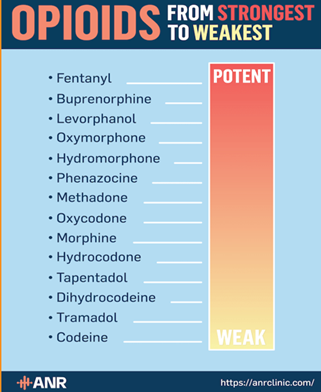
Opioids are a class of natural or synthetic drugs derived from the opium poppy plant and are commonly prescribed to treat moderate to severe pain. These substances act as depressants on the central nervous system and can produce effects such as euphoria, relaxation, and drowsiness. While medically useful, these properties also make opioids highly addictive and prone to misuse.
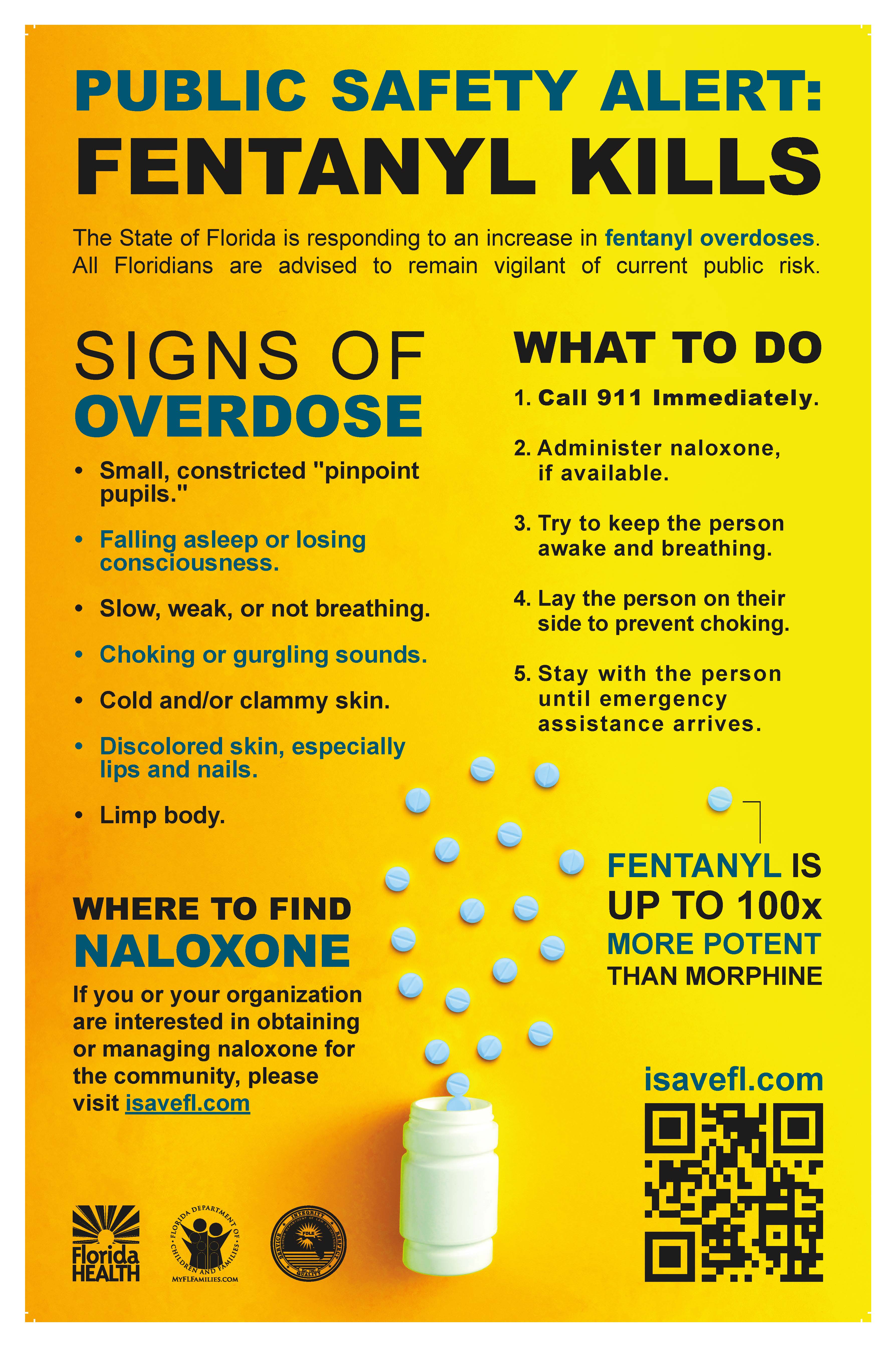
If you or someone you know is showing signs of overdose, call 911 immediately, and administer naloxone:
- Slow, shallow breathing or not breathing
- Unresponsiveness or loss of consciousness
- Choking, gurgling, or gasping sounds
- Convulsions or seizures
- Pale or blue skin, fingernails, lips
- Chest pain
Resources
Good Samaritan Act
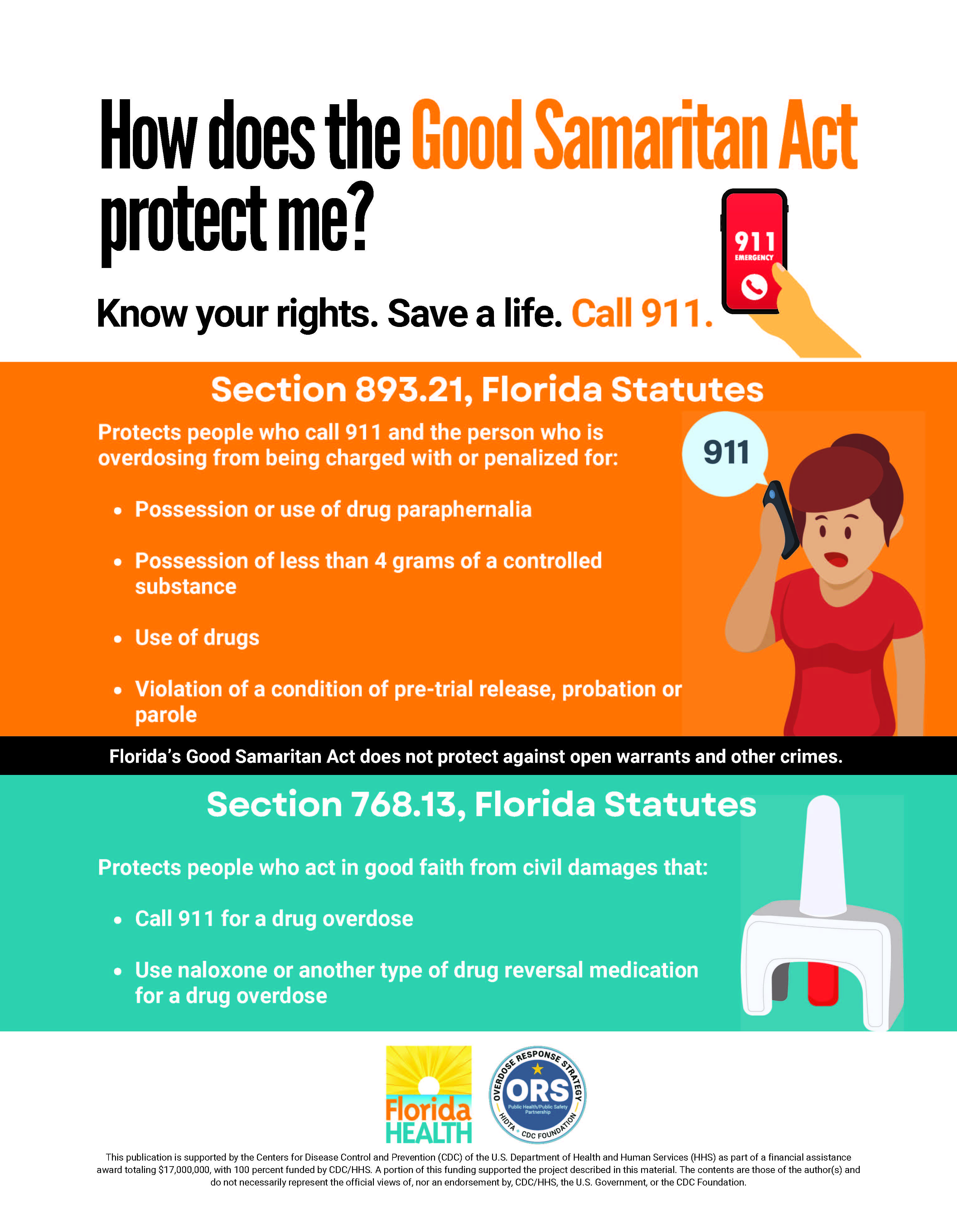
The Good Samaritan Act provides legal protection to individuals who offer help during an emergency. In Florida, this includes civil immunity for anyone who provides emergency assistance in good faith as well as criminal immunity for people who call 911 to report a suspected drug or alcohol overdose. These protections are designed to encourage bystanders to seek help or provide aid without fear of legal consequences.
Learn More
Explore the following resources for a better understanding of key topics that support informed decision‑making.